
Nigeria is a country rich in culture, traditions, and artistic heritage. Among the many cultural treasures found in the country, the Aso-Oke fabric of the Yoruba people stands out as one of the most iconic symbols of identity and pride. Worn during important celebrations and ceremonies, Aso-Oke is more than just clothing—it is a powerful expression of history, craftsmanship, and cultural heritage.
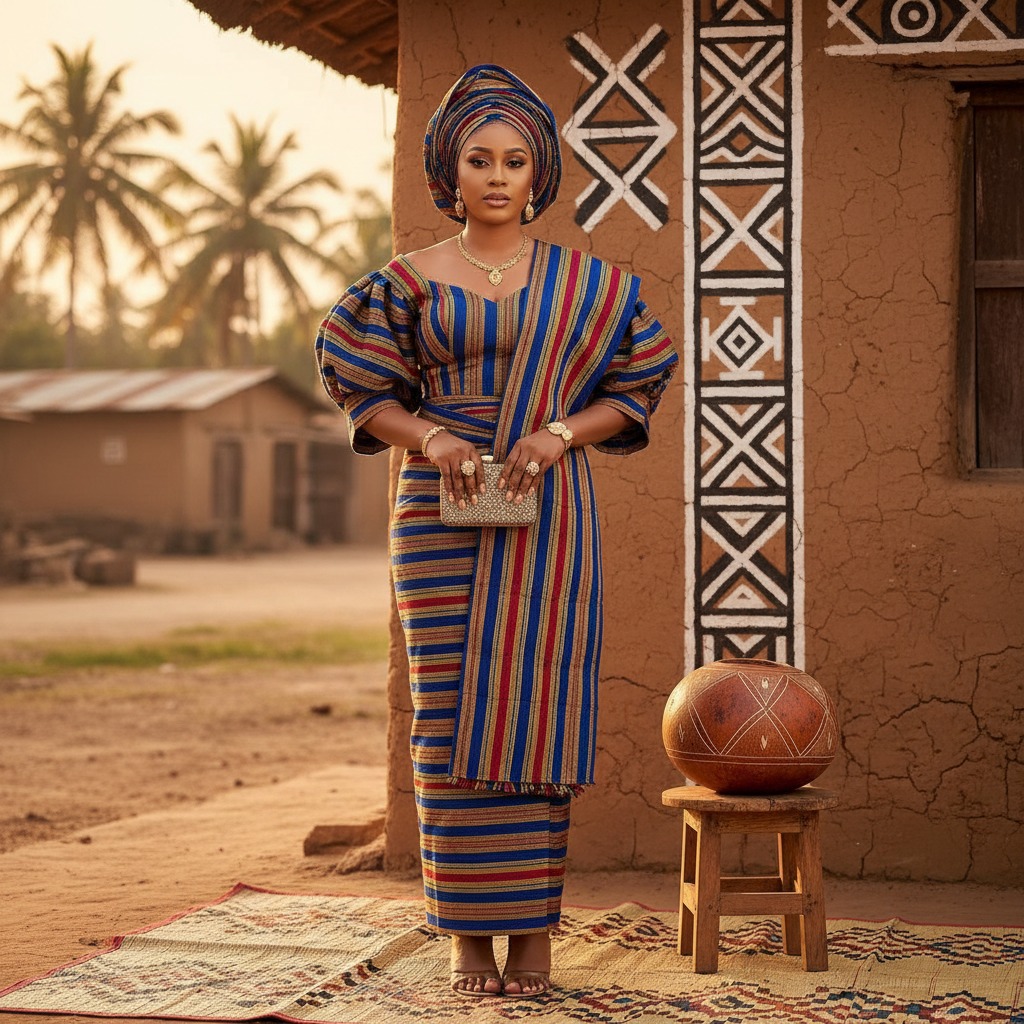
Even today, in a world dominated by modern fashion trends, Aso-Oke continues to maintain its relevance. Designers are reinventing it, young people are proudly wearing it, and cultural enthusiasts around the world are beginning to appreciate its beauty and meaning.
What Is Aso-Oke?
Aso-Oke is a traditional handwoven textile produced mainly by the Yoruba people of southwestern Nigeria. The name “Aso-Oke” comes from the Yoruba words “Aso,” meaning cloth, and “Oke,” meaning top or high status. Together, the name loosely translates to “high-quality cloth” or “top cloth.”
Historically, Aso-Oke was reserved for royalty, chiefs, and wealthy members of society. It symbolized prestige and social standing. Over time, however, the fabric became more accessible, allowing many Yoruba families to wear it during important cultural events.
Despite its wider availability today, Aso-Oke still carries a sense of honor and pride whenever it is worn.
The Traditional Art of Weaving Aso-Oke
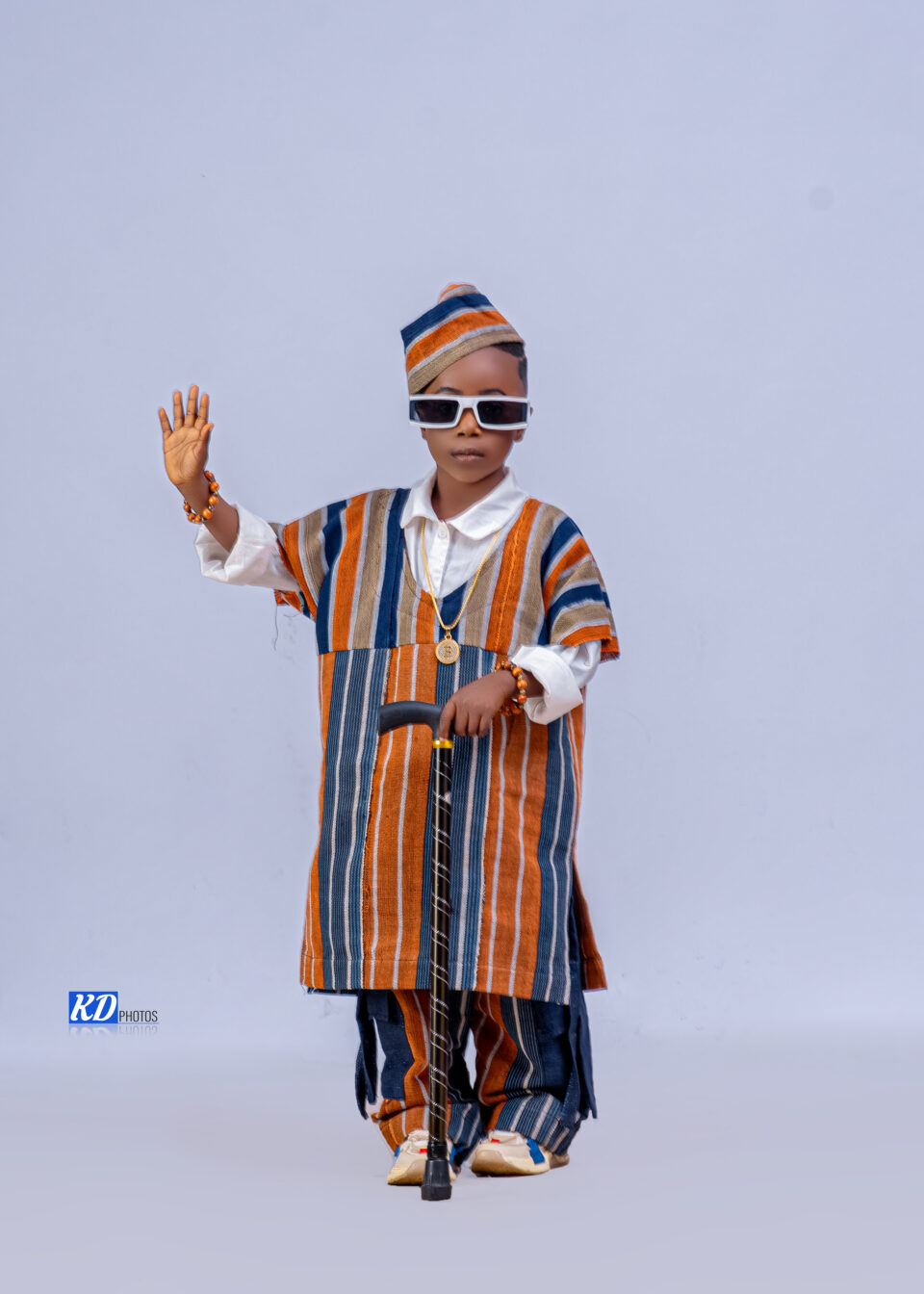
One of the most fascinating aspects of Aso-Oke is the process used to create it. Unlike factory-produced textiles, Aso-Oke is traditionally woven by skilled artisans using narrow-strip looms.
The weaving process requires patience, expertise, and attention to detail. Long strips of fabric are woven separately and later stitched together to create larger pieces of cloth. These pieces are then tailored into garments such as agbada, iro, buba, and gele.
Traditionally, weaving was mostly done by men, while women handled tasks like spinning thread and preparing materials. The skills involved in producing Aso-Oke are usually passed down from one generation to the next, making the craft an important part of Yoruba cultural heritage.
Today, although some modern machines assist production, many artisans still maintain the traditional weaving techniques that make Aso-Oke unique.
Types of Aso-Oke Fabric
Aso-Oke comes in several varieties, each with its own unique color, texture, and cultural significance. The three most well-known types include:
Alaari
Alaari is easily recognized by its deep red or maroon color. Traditionally associated with royalty and nobility, Alaari fabrics are often worn during important ceremonies and celebrations. The bold color symbolizes strength, power, and prestige.
Sanyan
Sanyan is considered one of the most prestigious forms of Aso-Oke. It is made from the silk of wild cocoons, giving it a natural beige or light brown color. Because of its luxurious appearance, Sanyan was historically worn by kings, chiefs, and highly respected elders.
Even today, it remains one of the most valued types of Aso-Oke.
Etu
Etu Aso-Oke is typically dark blue or indigo with lighter stripes woven into the fabric. It is elegant yet striking, making it a popular choice for special occasions and cultural celebrations.
Each type of Aso-Oke carries its own story and reflects the creativity of the weavers who produce it.
The Role of Aso-Oke in Yoruba Culture
Aso-Oke is deeply woven into the social and cultural life of the Yoruba people. It is often worn during major ceremonies and life events, including:
- Traditional weddings
- Naming ceremonies
- Cultural festivals
- Chieftaincy installations
- Religious celebrations
- Important family gatherings
At traditional Yoruba weddings, families often select matching Aso-Oke fabrics to create a unified appearance. This tradition, sometimes called aso ebi (family cloth), symbolizes unity, support, and shared identity.
Beyond ceremonies, Aso-Oke also represents pride in Yoruba heritage and serves as a reminder of cultural roots.
Aso-Oke in Modern Fashion
In recent years, Aso-Oke has experienced a remarkable revival in modern fashion. Nigerian fashion designers are blending traditional textiles with contemporary styles, creating innovative outfits that appeal to younger generations.
Today, Aso-Oke is no longer limited to traditional garments. Designers now use it to create:

- Modern dresses
- Stylish jackets
- Handbags and accessories
- Shoes and headpieces
- Contemporary menswear
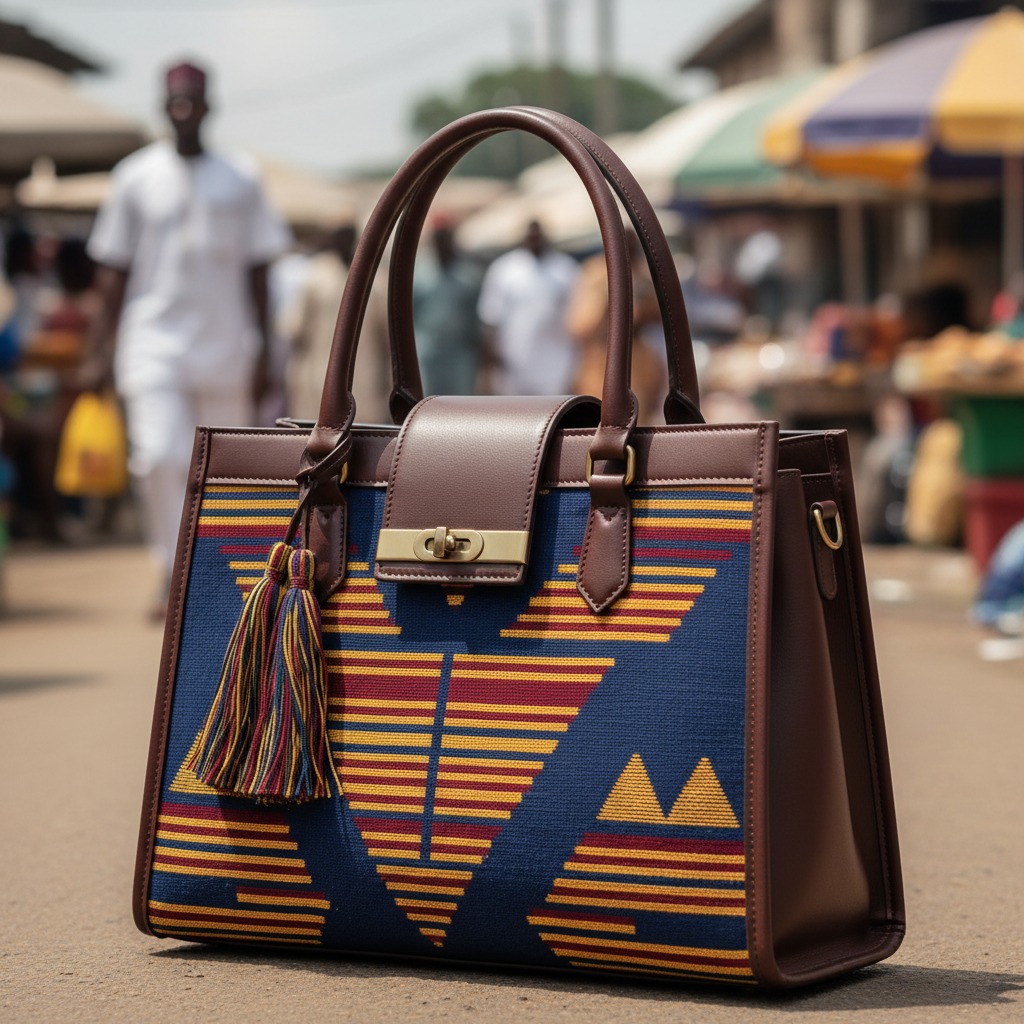
This creative transformation has helped introduce Aso-Oke to global audiences and fashion runways.
Celebrities, fashion influencers, and designers are increasingly showcasing Aso-Oke in ways that celebrate African culture while embracing modern aesthetics.
Supporting Local Artisans and Preserving Tradition
As the popularity of Aso-Oke continues to grow, there is also increasing awareness about the importance of supporting the artisans who produce it.
Handwoven fabrics require time, effort, and specialized skills. By purchasing authentic Aso-Oke, people help sustain local weaving communities and preserve traditional craftsmanship.
Many cultural advocates are also working to ensure that younger generations learn the art of weaving so that the tradition does not disappear in the face of mass-produced textiles.
Preserving Aso-Oke means preserving an important part of Yoruba identity and African heritage.
Why Aso-Oke Still Matters Today
In a fast-changing world, cultural traditions often risk being forgotten. However, Aso-Oke continues to thrive because it represents something deeper than fashion—it represents history, identity, and creativity.
For many Yoruba people, wearing Aso-Oke is a way of honoring their ancestors and celebrating their culture. For others around the world, it is a beautiful example of African craftsmanship and storytelling through textiles.
Whether worn during a wedding, displayed on a fashion runway, or passed down as a family treasure, Aso-Oke remains a timeless symbol of pride and tradition.
Final Thoughts
Aso-Oke is more than a traditional fabric. It is a cultural masterpiece that reflects the artistic spirit of the Yoruba people. From the skilled hands of weavers to the joyful celebrations where it is worn, every piece of Aso-Oke carries meaning and history.
As interest in African culture and fashion continues to grow worldwide, Aso-Oke stands proudly as one of Nigeria’s most treasured cultural symbols—beautiful, meaningful, and timeless.